This is a blog about my life, education, challenging discussions and what I learn. The mission and goal of this blog is to promote the sharing of ideas and resources to improve student performance.
My colleagues and I were having a great conversation around Data, Data-drive decision making, and numbers. It was riveting and got me thinking.
Is there a number, any number really, that I would want to define me?
Credit Score
Test Score
BMI
Reading Level
AimsWeb Benchmark
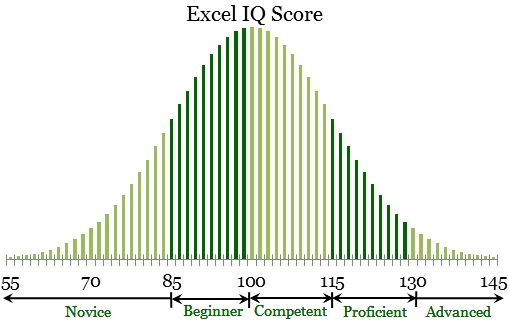
IQ
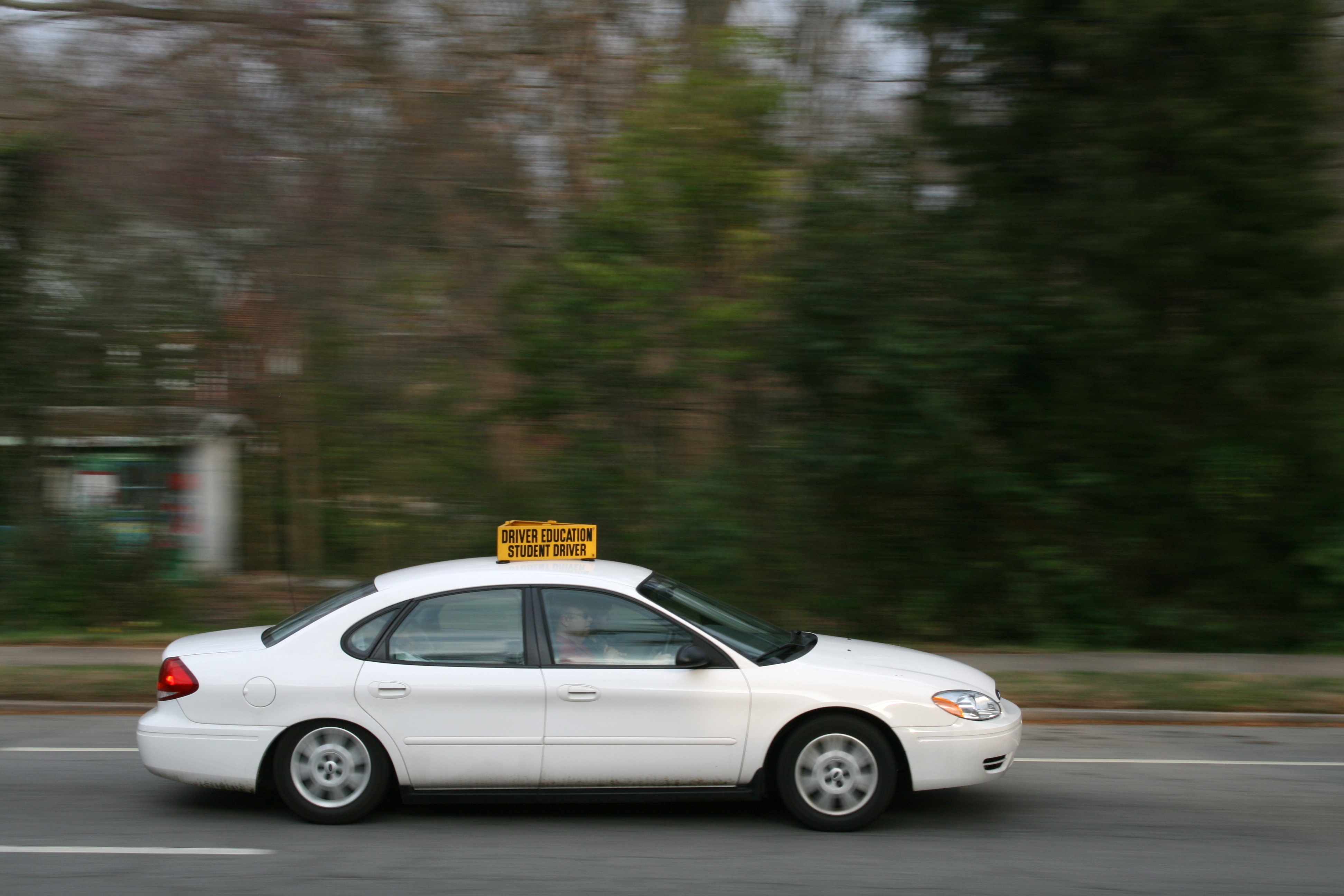
Driving test score
Often I'm in meetings when we talk about kids, then list numbers associated with that kid. Do we spend enough time on the qualitative descriptions of students than we do the test scores that they achieve.
What if we started discussing:
Likes/Dislikes
Family History
Home life
Favorite colors/foods/songs/movies
I'm not asking to eliminate ALL data from conversations with students, I'm just asking us to not LEAD with data. Let's lead with the things that make a student special, unique, individual and real.
I'll be honest and say there is NO, I repeat NO, number I want to define me. Please don't let numbers define the kids in your schools.
Every unit I give formative assessments that drive my instruction. I alter lessons plans, reteach and reassess as needed and seek to, through effective feedback and standards-based grading, help students succeed.
This got me to thinking.....
How do you analyze test data?
Whether it is a quiz, a summative exam, a project? What do you do at the end of the quarter, unit, project, etc. to wrap up and dive into the data?
No one asks me to do it but I am able to gain valuable information about what worked and what didn't. I know this is like performing a rather detailed autopsy of something that already happened and something I can do nothing about, but it changes my behavior for the next time I complete this unit.
What are your thoughts? What do you do? What data do you dive into?
I watched the TEDMED talk from Thomas Goetz on Re-imagining medical data (located at the end of this post) and could not shake the thought that we have educational data all wrong.
This got me to thinking...
What do kids want to know?
So, I asked students three questions:
1. What information do you want to know know your report card?
2. What information do you want to know about yourself?
3. If you could choose a career, what would you choose?
Then I asked them to design their own report card, I'm going to scan those in and will be located here.
Why did I ask the questions I asked?
Mr. Goetz speaks of how we have the capacity to change behavior with DATA. That data needs to be:
1. Personalized to fit the needs of each student
2. Relevant to the students needs (connected to their lives)
3. That a path of HOW they can make an impact on that data (connected to choices or directions)
4. Action steps they can take to improve (developed with the student)
Answers:
The Answers to the questions I asked are located here.
Students wanted PERSONALIZED information
Students want their information in color
Students want to know where they rank, how they are doing, and what steps that can take to improve themselves.
Students want informal data on what the teacher thinks about how they are doing.
Students want anecdotal comment based data.
Students overall have a desired career at 11 and could understand that the steps they are taking right now can impact that.
So what!?
Drastic changes in education won't happen from the top down, it’s going to be a bottom up movement. Here’s how we start. We start by informing our community and students and reevaluating the readability f the information we are communicating about student performance. Putting information in readable, accessible, and meaniful ways that will ultimately cause a change in behavior.
How?
Create a school where one teacher has the same students over a number of years and personalizes student data to fit the needs and desires of each family.
Each student will create their own path/goal/desired career to allow teachers to create meaningful action steps to improve student achievement.
Teachers (mentors in this design) meet with students and parents three times a year at their readiness.
Teach students to ask:
Can I have my results?
What do my results mean?
What are my options for improvement?
What's next? WHat are my action steps?
Design student data to be engaging and communicate the information the parents and students WANT to know.
Keep track of effectiveness of response to intervention data to create effectiveness of intervention and success rate of intervention to inform action steps.
TEDMED Video
Question to leave you with:
What would be on your ONE PAGE summary of a student (or yourself)? (What is the most important data?)
In education we seek to make "Data-Driven Decisions." The buzz word is always Data, Data, Data.
If you ever meet with an administrator and want to propose any sort of change in any way the comeback will surely result in the use of the word "data" or involved some form of "data collection." I know this because I'm a guilty participant in this.
Another thing I've always said is that I can make statistics say anything I want it to. That's a common joke around those against Data-Driven Decisions. I do believe all too often we seek to find the data to support whatever it is we are proposing. We can always, because we are talented professionals, make the data say what we want it to say.
Michael Shermer brings up this point in his TEDtalk. He presents on two basic principals Patternicity and Agenticity.
Patternicitiy - The tendency to find meaningful patterns in both meaningful and meaningless noise.
Agenticity - the tendency to infuse patterns with meaning, intention, and agency, often invisible beings and from the top down.
"Belief is the natural state of things!!!" As Shermer says. As administrators, we seek to find the answer to a problem through data. Well, guess what? We will find it! If we beleive there is an assoication between events we will find that association. The problem is, is that a meaningful pattern or just meaningless noise?
Shermer also states that as the levels of dopamine in increased in a patients brain the ability to find patterns that DON'T really exist increases. So I guess as adminisntrators it would behoove us to monitor our dopamine levels.
Michael Shermer debunks myths, superstitions and urban legends, and explains why we believe them. Along with publishing Skeptic Magazine, he's author of Why People Believe Weird Things and more....check out his TED talk below...
So do you think Principals have too much Dopamine? Do they seek out the patterns using meaningful data or is it all just meaningless noise?